
Pakistani weddings are not one day. They are a whole story.
There is the sacred simplicity of the nikah, the noise and color of mehndi, the spectacle of the baraat, the ache of rukhsati and the polished finality of walima. Around those moments, every family adds its own language, province, music, recipes, jokes and rules.
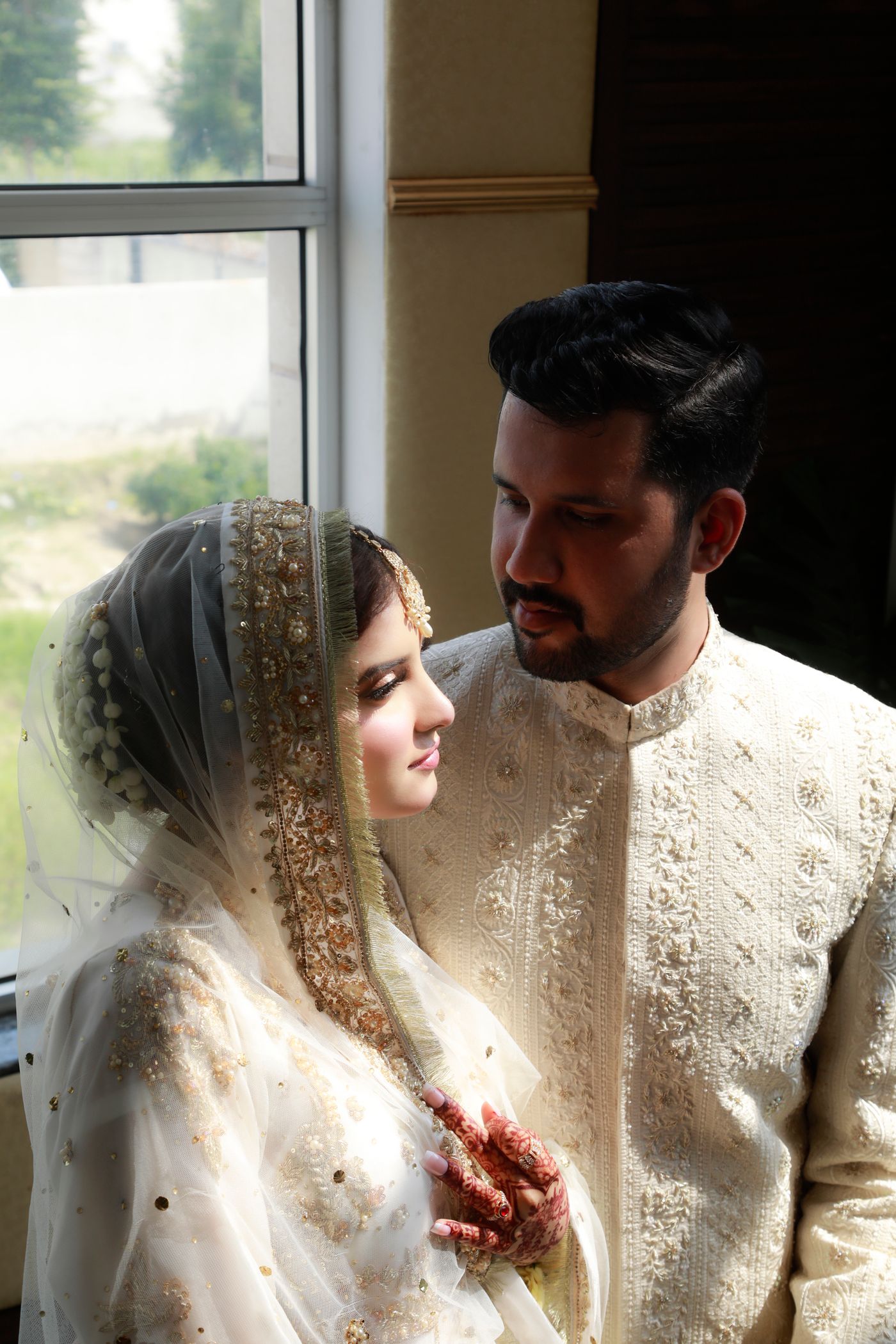
A marriage wrapped in family culture.
The easiest mistake is to describe a Pakistani wedding as one fixed ceremony. It is better understood as layers: religion, family custom, regional culture and modern wedding production all sitting on top of each other.
For most Pakistani Muslim couples, the legal and religious heart is the nikah: consent, the marriage contract and mahr (often called haq mehr in Pakistan), the gift or financial right agreed for the bride. The surrounding celebrations — dholki, mayun, mehndi, baraat, rukhsati, shoe-hiding games and choreographed dances — are cultural rather than requirements of the marriage itself.
And even “Pakistani” contains multitudes. A Punjabi family from Lahore may build the week around dhol, singing and a huge mehndi. A Pashtun family may foreground hospitality, kinship and attan. Sindhi, Balochi, Kashmiri and Urdu-speaking families carry their own dress, music and pre-wedding customs. Diaspora weddings in California, Toronto, London or Dubai then add another layer again.
Useful rule: ask the family which parts are deen, which are tradition, and which are simply “how our family does it.” Those are three different answers.
Nikah + mahr
The marriage contract, mutual consent and mahr form the core of a Pakistani Muslim wedding. Exact ceremony format follows the couple’s Islamic tradition and officiant.
Days of celebration
Dholki, mayun, mehndi, baraat and rukhsati are social traditions shaped by region and family rather than one religious rulebook.
Built to travel
Overseas families often compress a week into a weekend, combine the nikah with the mehndi or baraat, and blend Pakistani customs with a local wedding format.
The names everyone hears — and what they actually mean.
The sequence below is common, not compulsory. Families frequently merge functions, skip some entirely or move the nikah earlier.
Mangni / baat pakki
Engagement or formal family commitment. Some couples keep it tiny; others treat it like a full event.
Dholki + mayun
Home-based singing, teasing, ubtan and family time before the large guest lists arrive.
Mehndi
The most colorful night, usually the most performance-heavy and the least formal.
Nikah + baraat
The marriage may be solemnized before, during or even long before the main wedding-day celebration.
Rukhsati
A celebratory room can turn deeply emotional in minutes as the bride says goodbye to her family.
Walima
A reception that often feels more composed and formal after the intensity of the preceding events.
Before the ballroom, the wedding begins at home.
A dholki is often less polished and more memorable than the expensive functions that follow it. Someone starts a familiar song, an auntie answers with another verse, the dholak gets louder, cousins tease the bride or groom, and suddenly three generations are singing the same melody.
Mayun — also spelled mayoun — sits nearby in the pre-wedding calendar. In many families the bride wears yellow, limits elaborate dressing for a short period and receives ubtan, a turmeric- or sandalwood-based paste used as part of a beautification ritual. The modern version may be a decorated event; the older spirit is more intimate: women of the family preparing the bride for marriage.
- ●Dholki: dholak-led singing, folk lyrics, teasing songs and informal dance.
- ●Mayun: a family-centered pre-wedding ritual; exact customs vary sharply by household.
- ●Ubtan: cosmetic paste associated with the bride’s preparation, not a universal religious ritual.
- ●The feel: less stage-managed than mehndi; often where the family’s real personality comes out.
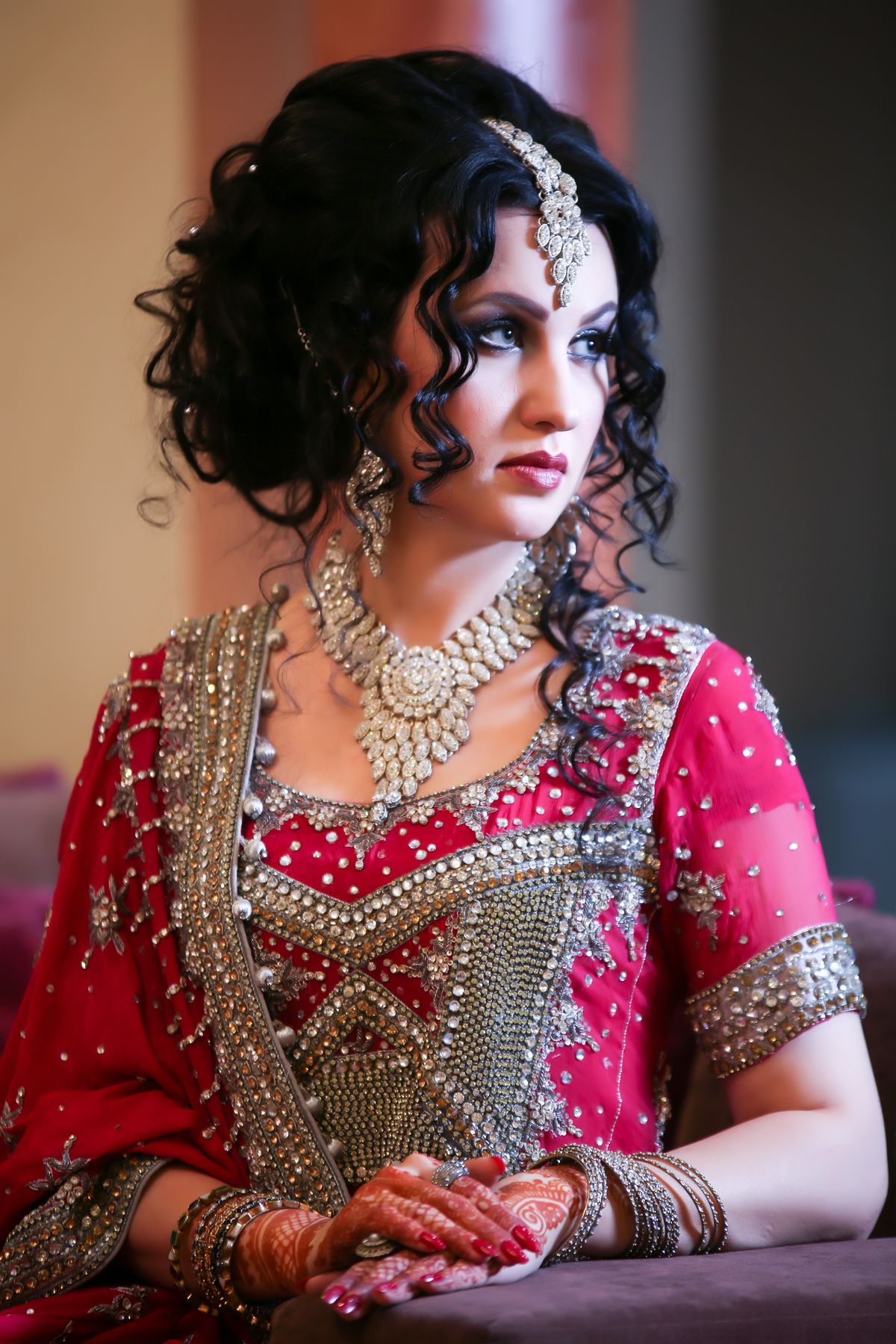
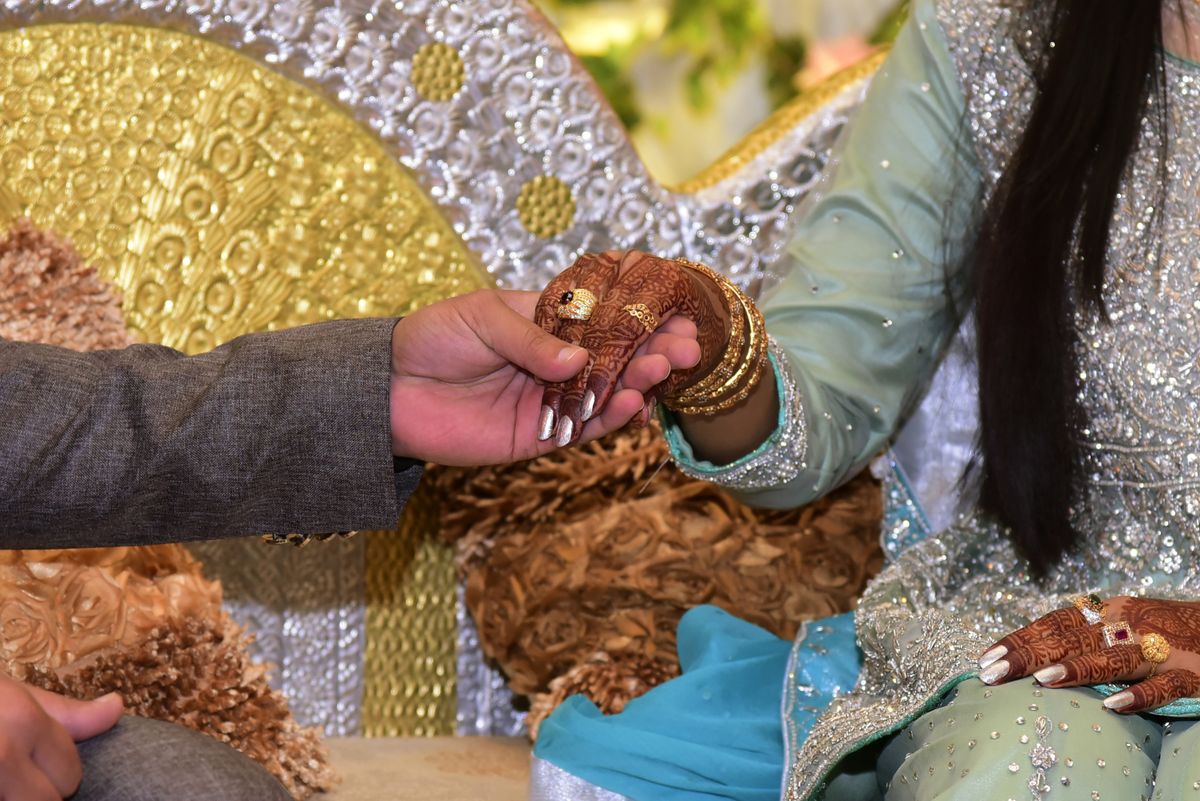
The night that refuses to be quiet.
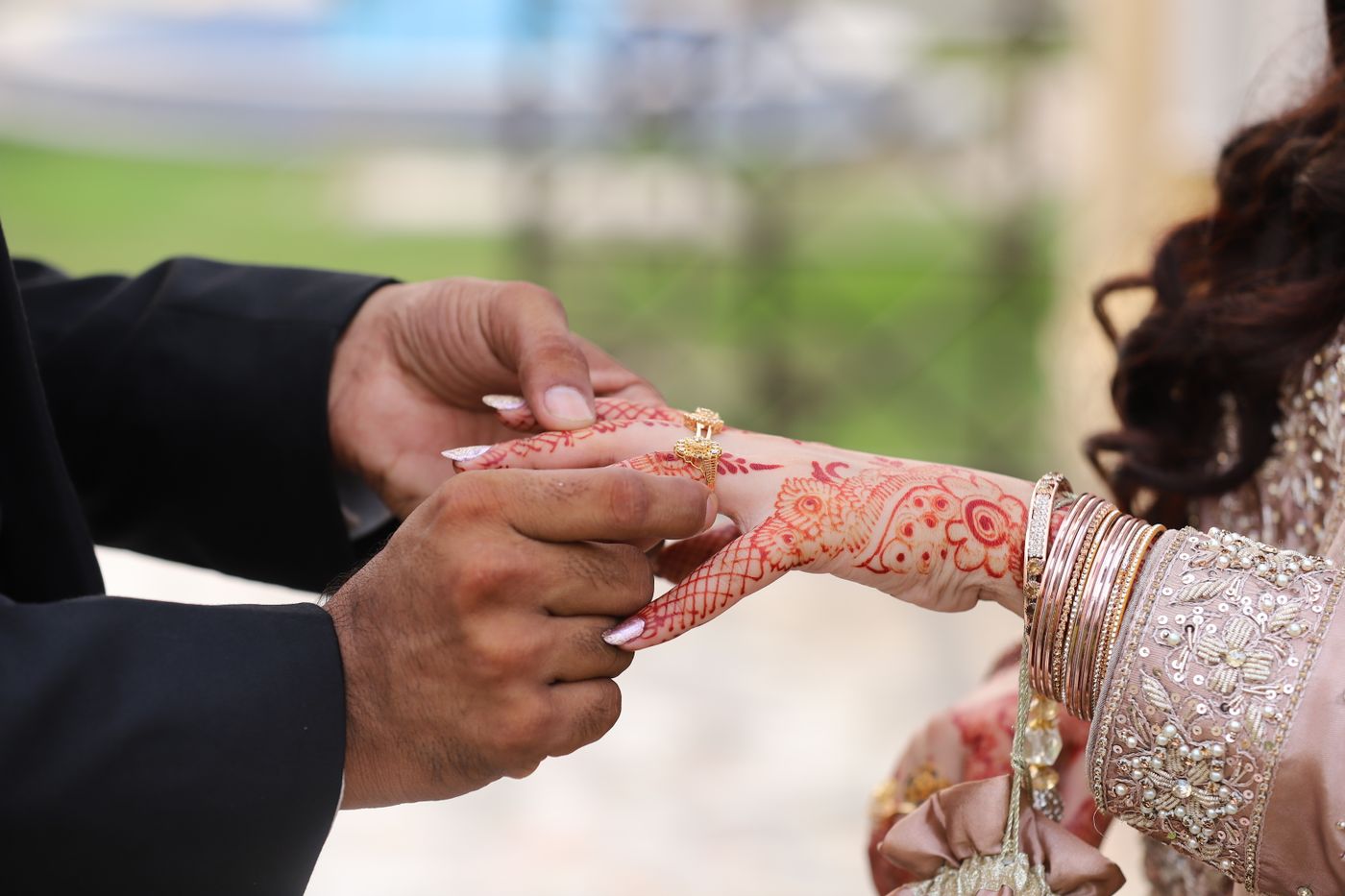
Mehndi is where the wedding stops behaving formally. The palette opens up, the stage gets playful, friends rehearse dance routines for weeks, siblings plan entrances, and the bride’s henna becomes both artwork and ritual.
Green and yellow are strongly associated with Pakistani mehndi styling, but modern events range from truck-art color to jewel tones, marigolds, mirror work and minimalist courtyard dinners. Some families keep the bride and groom’s mehndi separate; others combine the two sides into one huge night.
The henna is ancient. The synchronized family dance set to six edited songs is very much a modern Pakistani wedding invention — and nobody is pretending otherwise.
Hands first
Bridal henna may take hours and can extend over the palms, arms, feet and ankles with dense ornamental work.
Family performances
Cousins and friends often build a mini-show of choreographed routines before the dance floor opens.
Nothing timid
Yellow, green, orange, fuchsia and mirror-work decor are common — but no one palette is mandatory.
The smallest ceremony can carry the most weight.
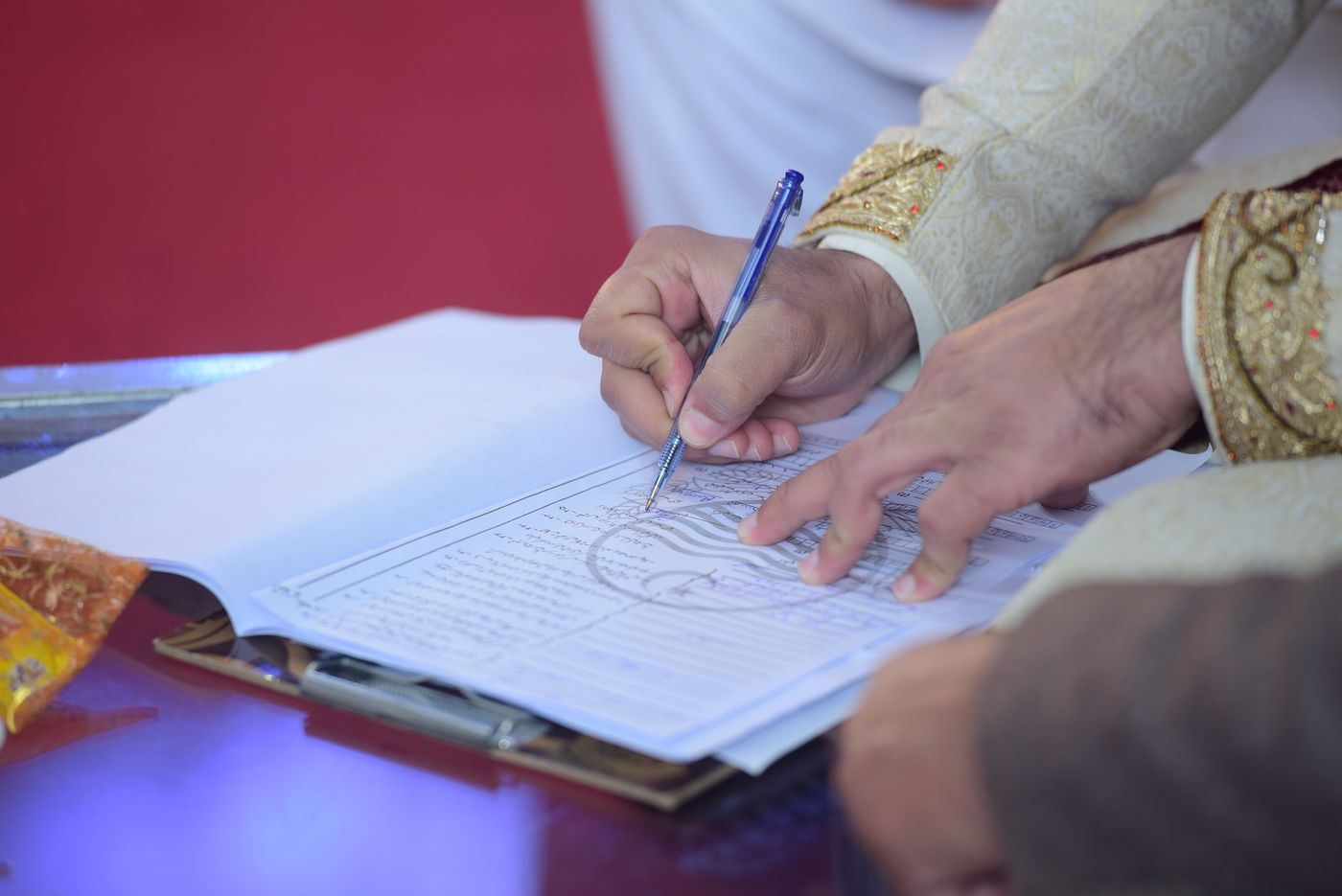
Strip away the flowers, stage, lighting and wedding hashtag, and the nikah is remarkably direct: a marriage is entered into by consent, with the conditions required by the couple’s Islamic tradition, and the marriage contract is recorded.
The nikahnama is the written marriage contract. Mahr — commonly called haq mehr in Pakistan — is not a payment to the bride’s family; it is a marital right or gift due to the bride. Couples may specify an immediate amount, a deferred amount or both, depending on the agreement and legal tradition.
The bride and groom may sit together or separately. A qazi, imam or other authorized officiant may lead the ceremony. Qur’an recitation, a khutbah, duas and signing are common, but the presentation differs among Sunni, Shia and other Muslim communities. In diaspora weddings, couples should also make sure the civil marriage requirements of the country or state are separately satisfied.
Yes means yes
Consent is not decorative. A nikah is a contract, and free agreement of the spouses is fundamental.
The bride’s right
Mahr belongs to the bride. It can be cash, gold, property or another agreed item of value; custom and school of law shape the details.
Read the contract
Families sometimes treat the paperwork as an afterthought. Couples are better served by understanding every clause before the ceremony.
Blessing over spectacle
A nikah can happen in a mosque, home, garden or wedding venue. It does not need a massive production to be meaningful.
First the entrance. Then the goodbye.
The baraat and rukhsati create one of the sharpest emotional swings in the entire wedding: spectacle on the way in, tears on the way out.
The groom gets ready
In families that keep the custom, elders or sisters help tie the groom’s turban or sehra before the procession leaves. Salami — cash gifts or blessings — may follow.
The groom’s party arrives
“Baraat” can mean both the procession and the groom’s side of the wedding party. Modern arrivals range from dhol-led dancing to a clean hotel entrance.
The main wedding night
In everyday Pakistani speech, the main reception around the baraat is often simply called the shaadi. Dinner, stage portraits and family introductions take center stage.
The farewell
The bride leaves her parental home or wedding venue with her husband. The moment can be deeply emotional even for otherwise very modern families.
One common rukhsati image is a Qur’an held over the bride’s head as she leaves. It is a cultural practice found in many families, not a universal requirement of Islamic marriage.
After the rush comes the reception.
Walima is the marriage feast associated with the groom after the marriage has taken place. In Pakistan it is commonly treated as the groom’s side’s formal reception and may happen the next day, a few days later or on a schedule that suits travel and venues.
The visual language often shifts. A bride who wore deep red or maroon at the baraat may choose ivory, silver, pastel, blue or jewel tones for walima. The groom may move from a sherwani into a darker formal suit or a lighter embroidered ensemble. The mood is still celebratory, but usually less chaotic than mehndi and less emotionally charged than rukhsati.
Because many diaspora couples have limited weekends, the walima is sometimes folded into a single reception. Other families preserve it carefully because hosting that meal carries religious and social meaning.
Half ritual, half negotiation, fully family entertainment.
Pakistani weddings are unusually good at inventing tiny games whose official purpose is “tradition” and whose practical purpose is to extract money from the groom.
Hide the shoes
The bride’s sisters or cousins steal the groom’s shoes and demand cash for their return. Negotiations can become more serious than the nikah contract.
Pay for the milk
A sweet milk drink is offered to the groom, usually by the bride’s younger relatives, followed by another playful demand for money or gifts.
Block the route
Family members physically block a doorway or path until the groom pays his way through. The exact name and version vary by family.
Cash as blessing
Elders and relatives may give cash to the couple or groom at particular moments. The language and etiquette around it differ across communities.
Welcome gifts
In some families the bride receives jewelry, money or gifts from the groom or his relatives after entering the new household.
A mirror moment
Preserved especially in some Urdu-speaking families, a mirror and Qur’an may be used in a symbolic first-look style custom. It is not universal.
A Pakistani dance floor has multiple passports.
A strong Pakistani wedding soundtrack moves between generations and regions rather than sitting in one genre. The same night may open with traditional dhol and family songs, pivot to Pakistani pop and Bollywood, then end with hip-hop, house, Arabic or Persian tracks depending on the crowd.
- ●Dhol + dholak: central to entrances, dholki songs and Punjabi celebration.
- ●Mehndi sets: choreographed family dances are often edited into tightly timed medleys.
- ●Pakistani classics: families may request older film songs, folk favorites, qawwali or modern pop alongside current hits.
- ●Attan: a major Pashtun dance tradition performed at weddings and community celebrations.
- ●Religious boundaries: some Muslim families limit or avoid music entirely, so never assume the reception format.
Red is iconic. It is not the only answer.
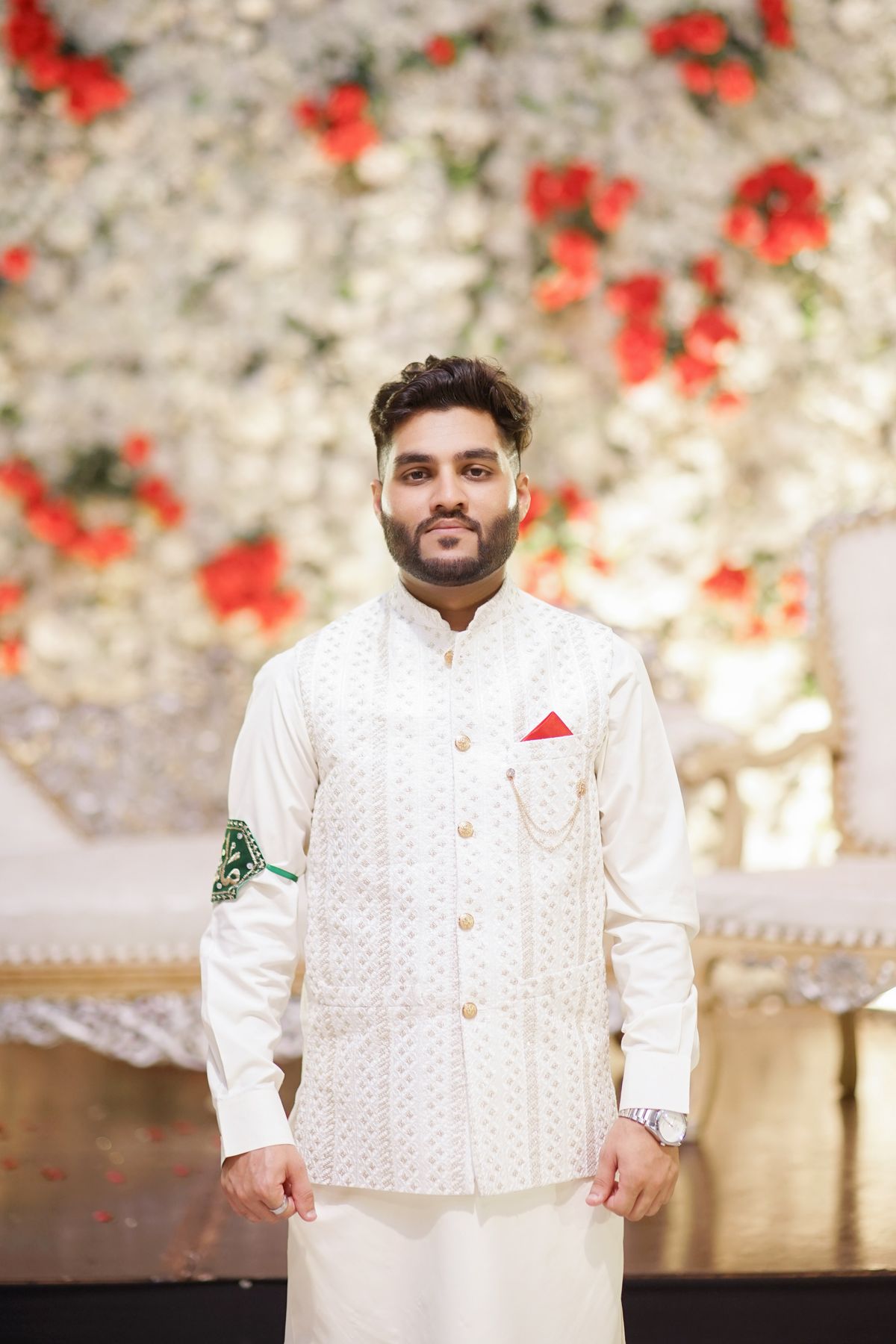
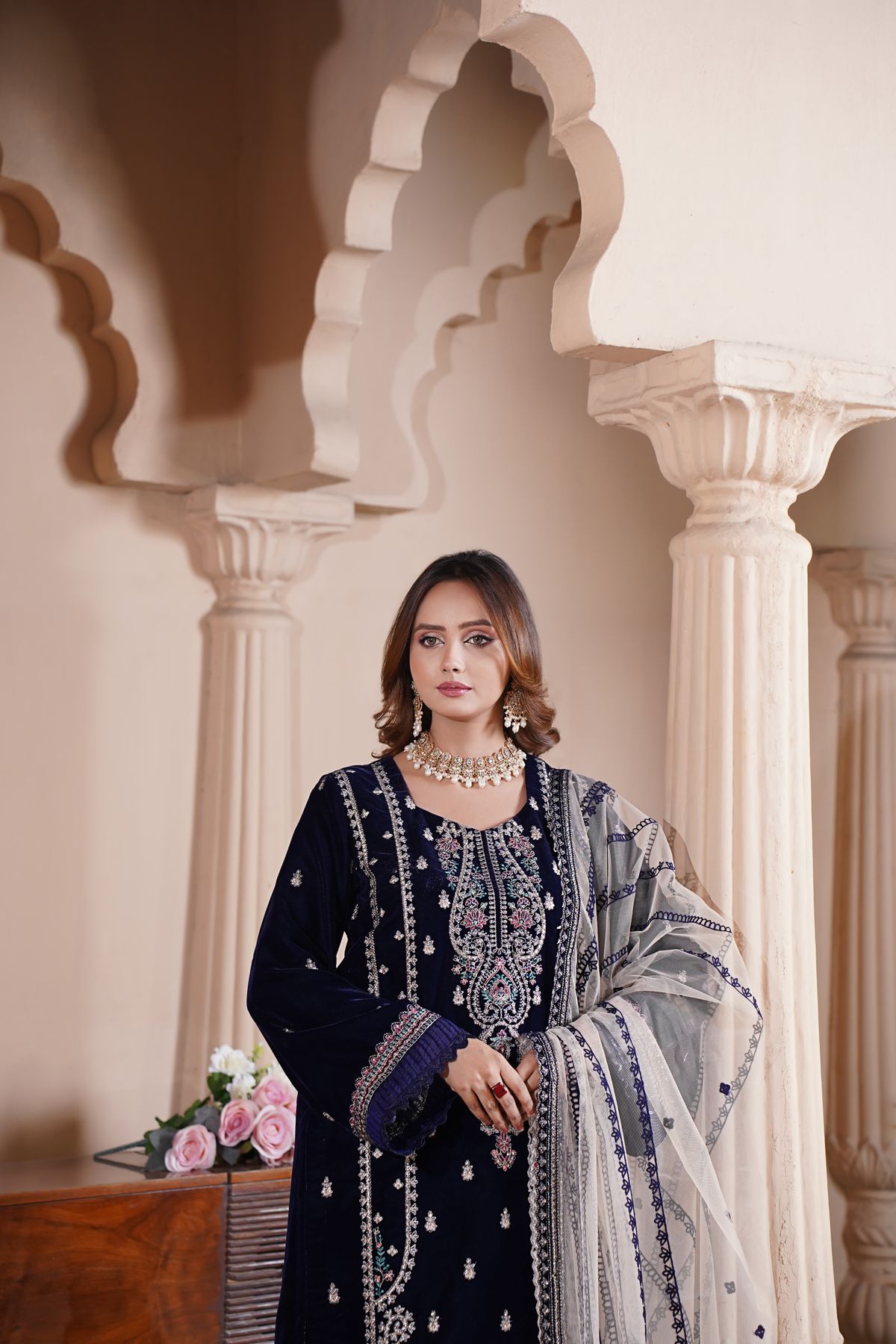
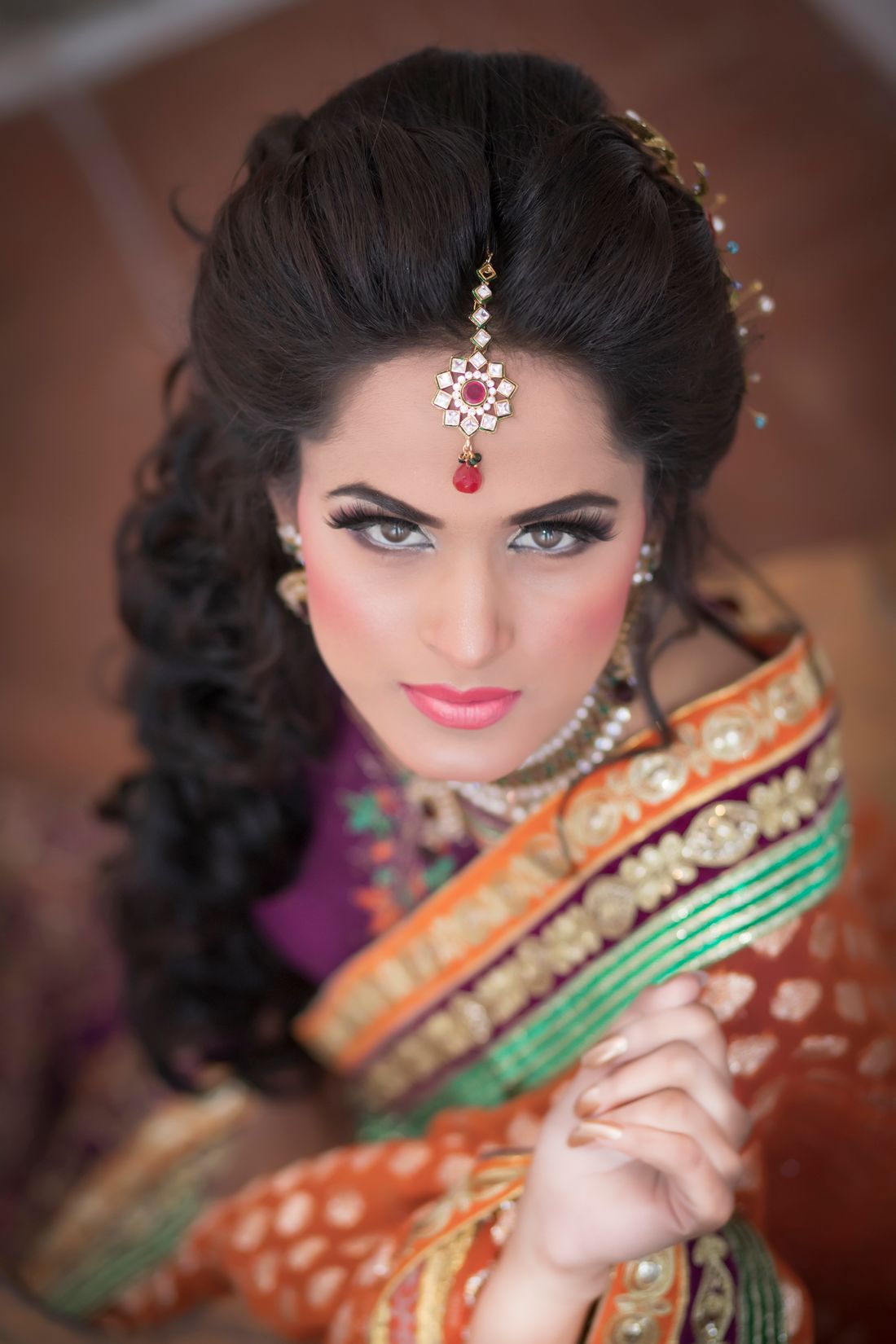
Pakistani bridal fashion is less about one silhouette than a vocabulary of silhouettes: lehenga, gharara, sharara, pishwas, farshi gharara, long kameez, sari, dupatta and veil — then dense handwork layered over the top.
Deep red, maroon and crimson remain powerful baraat choices, especially because they read immediately as bridal. But ivory, gold, sage, powder blue and other softer palettes are now common for nikah and walima. Pakistani designers also borrow freely from Mughal, regional and contemporary couture references.
- ●Bride: lehenga, gharara, sharara, pishwas, sari or long formal; often paired with a heavily worked dupatta or veil.
- ●Jewelry: tikka, jhoomar/passa, choker, long necklace, earrings, bangles and nose ring may be layered differently by look.
- ●Groom: sherwani, achkan, kurta pajama or formal suit; turban and khussa may complete the wedding-day look.
- ●Event logic: mehndi tends brighter and lighter; baraat more ceremonial; walima often more polished or restrained.
The menu is where regional loyalty becomes serious.
Ask five Pakistani families what belongs on a wedding menu and you may get six arguments. Rice matters. Meat matters. The late-night chai matters. The one thing nobody wants is a guest leaving hungry.
Large weddings usually favor dishes that hold well for banquet service, but the exact menu is regional and class-specific. In diaspora weddings, caterers often build a “greatest hits” spread that lets Punjabi, Karachi, Pashtun or mixed families see something familiar on the buffet.
Pakistan does not have one wedding accent.
Regional notes are useful only if they are treated as tendencies, not stereotypes. Cities, sects, class, migration history and interregional marriages can matter as much as province.
Dhol, song and spectacle
Punjabi weddings are often strongly associated with dholki, energetic mehndi functions, bhangra-adjacent celebration and playful rasams. Lahore’s luxury wedding industry has also shaped modern Pakistani wedding aesthetics far beyond Punjab.
Ajrak, folk song, family custom
Sindhi families may incorporate regional textiles, folk songs and local pre-wedding practices. Rural and urban Sindhi weddings can differ dramatically, so family-specific guidance matters.
Hospitality + attan
Pashtun weddings may foreground extended kinship, strong hospitality traditions, gender-separated spaces in some families and attan — the circular dance performed to dhol and other instruments.
Textile identity
Balochi celebrations can feature distinctive embroidered dress, music and community structures that do not map neatly onto a Lahore-style multi-event wedding template.
Old-city elegance
Ghararas, formal rasams, aarsi mushaf and cuisine associated with North Indian Muslim urban traditions remain especially visible in some Karachi and diaspora families.
The weekend remix
In North America, Britain and elsewhere, venue schedules often compress the celebrations: Friday mehndi, Saturday nikah + baraat, Sunday walima — or even a single combined wedding day.
Pakistani identity also crosses religion. Christian, Hindu, Sikh and other Pakistani communities follow different sacred wedding frameworks; this page centers Pakistani Muslim customs because that is the dominant search intent for “Pakistani weddings.”
Build the schedule around the family reality.
Pakistani weddings become difficult when couples plan by event name instead of by actual family behavior. Start with the rituals the families truly care about, then design the production around those moments.
Decide when the nikah happens
Same day as the baraat? Separate mosque ceremony? Months earlier? This decision affects photography, legal paperwork, entrances and invitation wording.
Get the family rasams on paper
Ask parents exactly which customs they expect. “We always do it” is not enough — find out who participates, what props are needed and how long it takes.
Plan music by generation
A dance floor that works only for the cousins fails the room. Build moments for parents, aunties, uncles and younger guests.
Protect time for rukhsati
Do not schedule it like a five-minute exit. Families need time for hugs, emotion and photographs without venue staff dismantling the room around them.
Tell vendors the pronunciation
Names, family titles and event terminology matter. A culturally fluent MC or planner should know who is who before they touch a microphone.
Respect religious boundaries
If the nikah is in a mosque or the family follows gender separation, modest dress, music restrictions or photography boundaries, brief every vendor before the wedding day.
Dress up
Pakistani weddings are usually formal. Color is welcome, especially at mehndi. If the nikah is in a mosque, check modesty and head-covering expectations.
Expect a late night
Invitation time and actual dinner time are not always emotionally related concepts. Eat a snack beforehand if you are new to the format.
Cash gifts are normal
Many families give money in an envelope rather than registry gifts. Follow the couple’s invitation or family guidance.
Do not interrupt the family
Rukhsati, nikah signing, Quran recitation and elder blessings are not background content. Know when to stop directing and document instead.
Pakistani wedding questions, without the myths.
Spellings vary — nikah/nikkah, baraat/barat, walima/valima, mayun/mayoun — and so do customs. The answers below describe common Pakistani Muslim practice, not a rulebook for every family.
What happens at a Pakistani wedding?
A Pakistani Muslim wedding often unfolds across several events such as dholki, mayun, mehndi, nikah, baraat, rukhsati and walima. Families may merge, reorder or skip events, and customs vary by region, sect and household.
What is the usual order of Pakistani wedding events?
A common order is mangni or baat pakki, dholki, mayun, mehndi, nikah, baraat, rukhsati and walima. The nikah may also happen weeks or months before the baraat, especially when couples want the religious marriage completed earlier.
What is the difference between nikah and baraat?
The nikah is the Muslim marriage contract and religious ceremony. The baraat is the groom’s wedding party or procession arriving for the main wedding celebration. They often happen on the same day, but they are not the same event.
What is rukhsati?
Rukhsati is the bride’s farewell from her family as she leaves with her husband after the wedding celebration. It is frequently one of the most emotional moments of the entire wedding week.
What is walima?
Walima is the marriage feast associated with the groom after the marriage. In Pakistani wedding culture it is commonly the groom’s side’s formal reception, held the next day or soon after the baraat and rukhsati.
How many days is a Pakistani wedding?
There is no mandatory length. Some couples hold a nikah and dinner in one day. Larger weddings may stretch across three to seven days, while dholki nights and engagement events can start earlier.
What should I wear to a Pakistani wedding?
Formal South Asian clothing is the safest choice: shalwar kameez, kurta pajama, lehenga, gharara, sari or comparable formalwear. Mehndi welcomes bright color. For a mosque nikah, modest dress and any head-covering requirements should be respected.
Are all Pakistani weddings Muslim weddings?
No. Pakistan includes Christian, Hindu, Sikh and other communities with different ceremony frameworks. This guide focuses mainly on Pakistani Muslim weddings because nikah, baraat, rukhsati and walima dominate the common search intent around Pakistani wedding traditions.
Editorial note: Pakistani wedding customs vary by region, sect, family and diaspora community. This guide separates the religious marriage from surrounding cultural customs wherever possible and avoids presenting one family’s rasams as universal. Research references include the Pakistan Journal of Social Research, Dawn on Attan, Dawn Images on Pakistani bridal fashion, Wedding Wala’s event-order guide and Yaqeen Institute on mahr and Islamic marriage.
Planning a Pakistani wedding that sounds like your family?
Find wedding professionals who understand the difference between a nikah, a baraat and a rukhsati — and know when the dance floor should explode and when the room should go quiet.
Get matched with Pakistani wedding vendors.
Choose the services you need. We’ll check our pool of vetted Pakistani wedding vendors for fit and availability, then get back to you with a custom proposal.
- 01Choose your services.
- 02We check vetted Pakistani vendors.
- 03Get your custom proposal.